

Bali Temples: The Must See Temples with Local Guide and Private Tours
Bali is known worldwide for its sacred temples—places filled with spirituality, history and remarkable architectural beauty. Each Balinese temple tells its own story and reflects the deep connection between local culture and Balinese Hinduism. Visiting these temples is an essential experience for any traveler who wants to understand the true essence of the island.
Hiring a local guide in Bali to explore the most important temples in a private car is the most comfortable, flexible and authentic way to discover them. You can visit the main temples without rushing, learn about their meaning, understand the ceremonies and enjoy the spectacular landscapes that surround each sacred complex. In addition, you can personalize your route according to your interests and the time you have available.
Below you will find some of the most outstanding temples in Bali, each one accompanied by a video, an explanatory text and a photo gallery to help you get to know them before your visit.

Pura Besakih – The Mother Temple of Bali and Grand Sacred Complex of Mount Agung
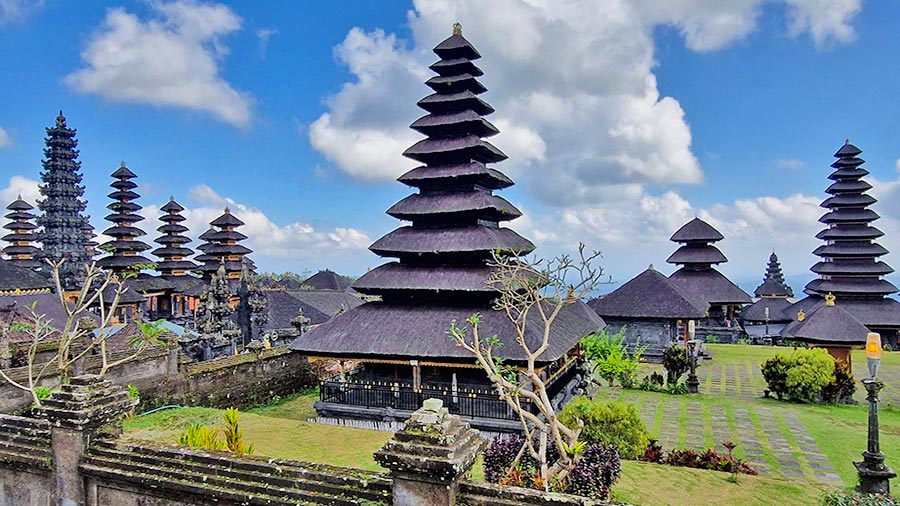
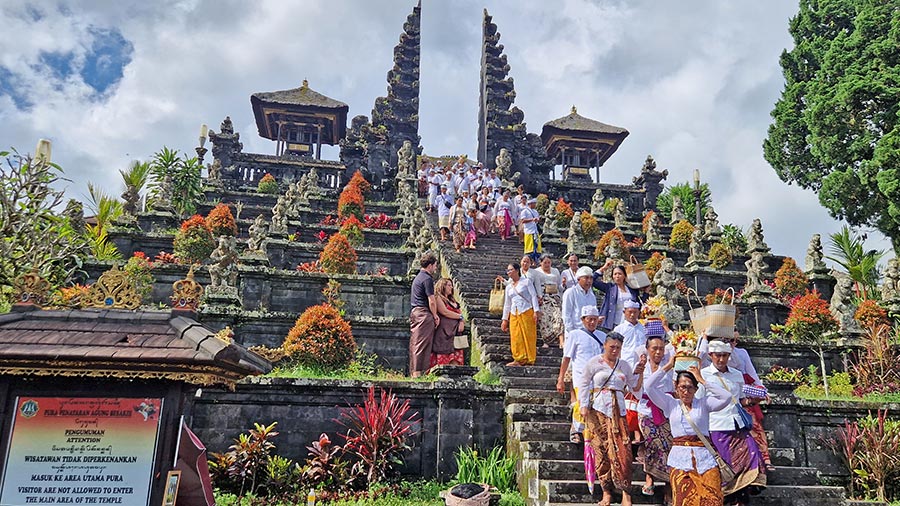
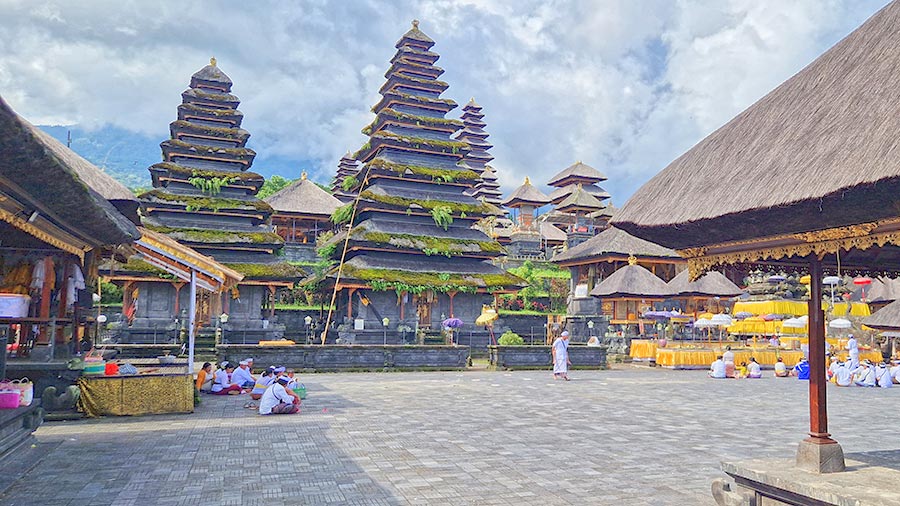
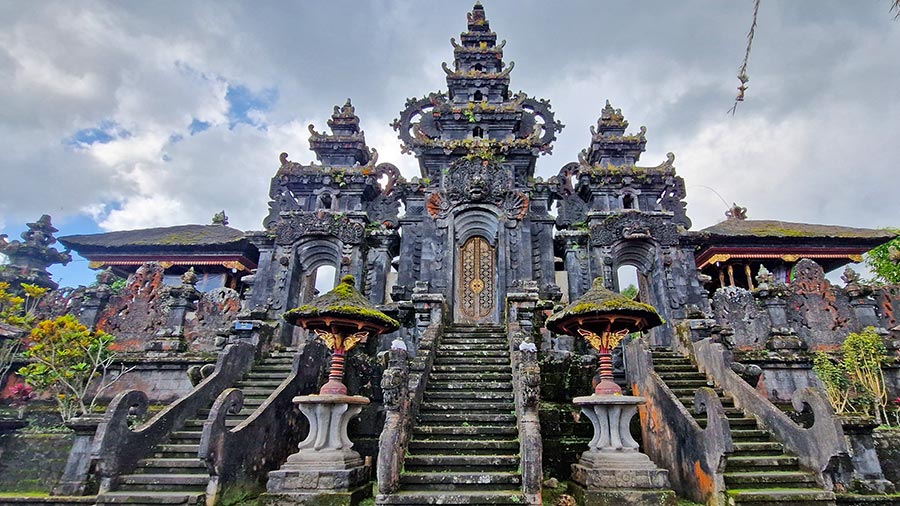
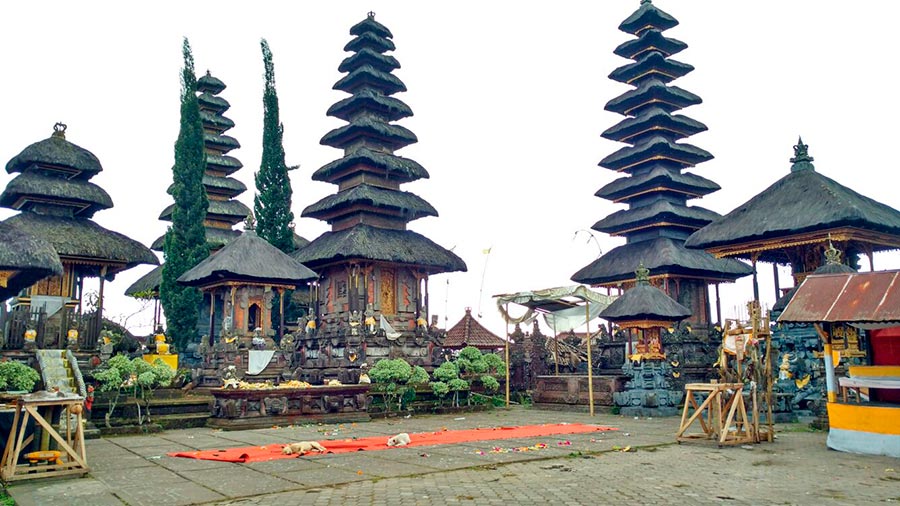
Pura Besakih, known as the Mother Temple of Bali, is the island’s largest and most sacred religious complex. Located on the slopes of Mount Agung, Bali’s highest and most revered volcano, this monumental site is composed of more than twenty temples, each with its own ritual function. Its elevated position offers sweeping views and a deeply symbolic atmosphere, making it an essential place for understanding Balinese spirituality.
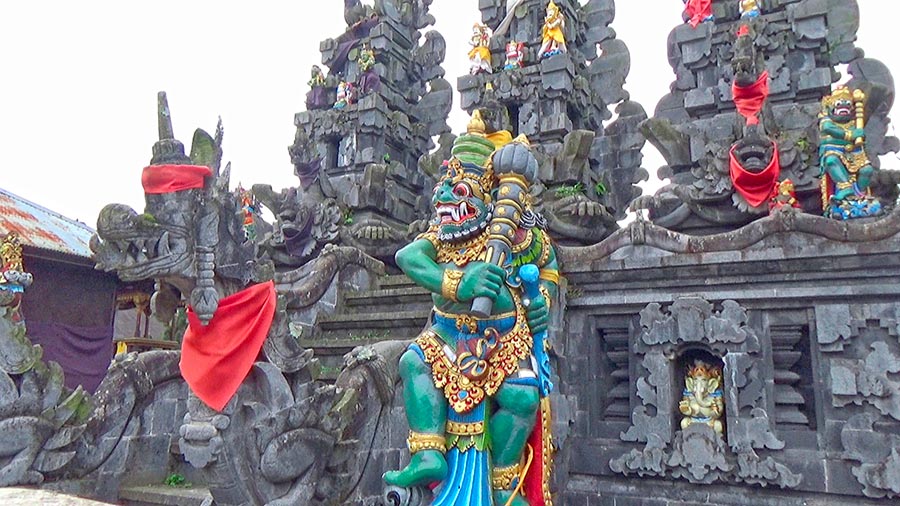
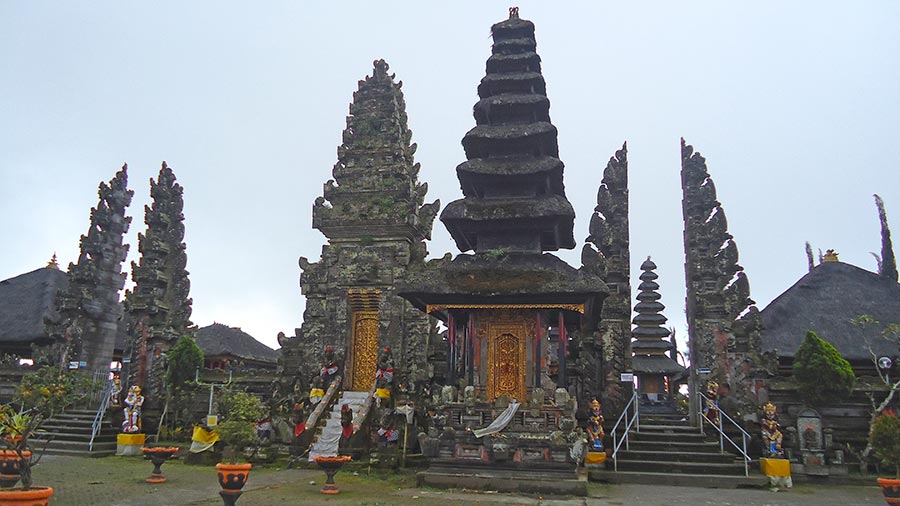
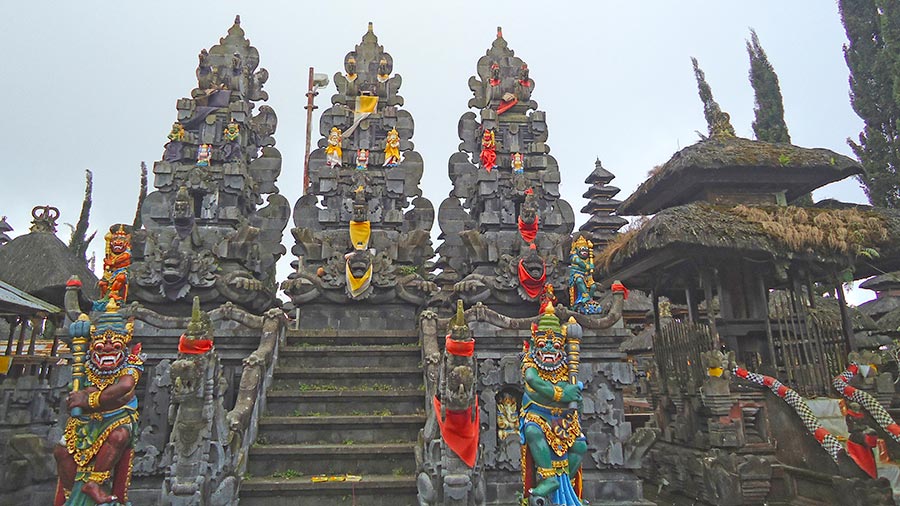
At the heart of the complex lies Pura Penataran Agung, the main temple dedicated to Shiva, featuring ascending terraces, monumental gateways and ceremonial shrines. Alongside it stand other key temples such as Pura Batu Madeg, dedicated to Vishnu, and Pura Kiduling Kreteg, devoted to Brahma, forming the divine triad that shapes Balinese cosmology. Besakih also includes important secondary temples like Pura Gelap, Pura Basukian and Pura Ulun Kulkul, each with its own history, symbolism and role within the spiritual landscape.
Exploring Besakih with a specialized local guide is essential to understand the complex organization of the site, the meaning behind its many shrines and the profound connection between Mount Agung and Balinese religion. A knowledgeable guide will help you navigate respectfully through the most sacred areas, interpret ongoing ceremonies and uncover architectural and cultural details that most visitors miss.
Reaching Besakih through private transportation is the most convenient way to visit, especially given its mountainous location. With a guide from the area, you can explore the complex at your own pace, avoid peak visiting hours and enjoy an authentic, meaningful and deeply spiritual experience fully connected to the essence of Bali.
.
Pura Uluwatu – The Cliffside Temple and Ocean Sanctuary of Bali
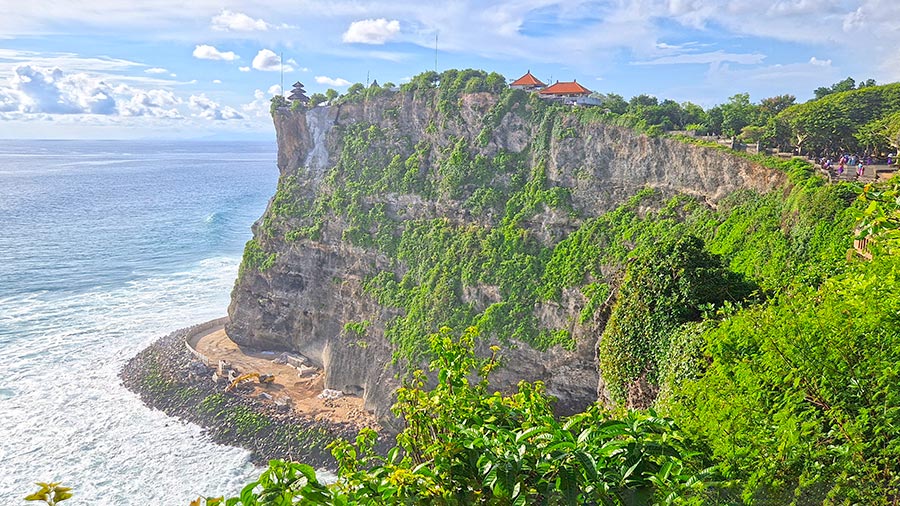
Pura Uluwatu is one of the most spectacular temples in Bali, famous for its dramatic location on a cliff more than 70 meters above the Indian Ocean. Dedicated to the protective spirits of the sea, it is considered one of the six most important temples on the island. Its blend of spirituality, nature and breathtaking views makes it an essential stop for any traveler exploring Bali.
The temple stands out for its traditional Balinese architecture, carved gateways and pathways that run along the edge of the cliff, offering unique panoramic views of the ocean. At sunset, Uluwatu becomes a magical place: the sky fills with vibrant colors and the sound of the waves crashing against the rocks creates an unforgettable atmosphere. It is one of the best spots in Bali to enjoy a truly spectacular sunset.
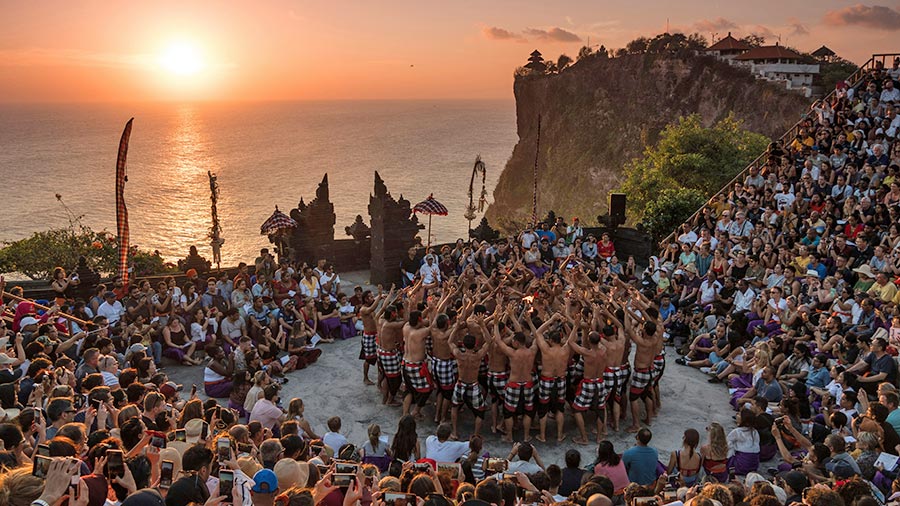
One of Uluwatu’s most famous attractions is the Kecak Dance, a traditional performance held every afternoon in an open-air amphitheater overlooking the ocean. This dance, accompanied by rhythmic chanting and fire, tells episodes from the Ramayana and offers a unique cultural experience that perfectly complements the visit to the temple.
Exploring Uluwatu with a local guide allows you to understand the history of the temple, its spiritual significance and the legends surrounding this ocean sanctuary. You will also be able to move more comfortably through the complex, avoid the most crowded areas and discover the best spots for photos without rushing.
Reaching Pura Uluwatu by private car is the most convenient way to visit, especially if you want to combine the temple with nearby beaches such as Padang Padang, Bingin or Suluban. With a local guide, you can enjoy a complete, safe and personalized experience, making the most of your time in one of Bali’s most impressive temples.
Tanah Lot – The Sea Temple and Sacred Icon of Bali
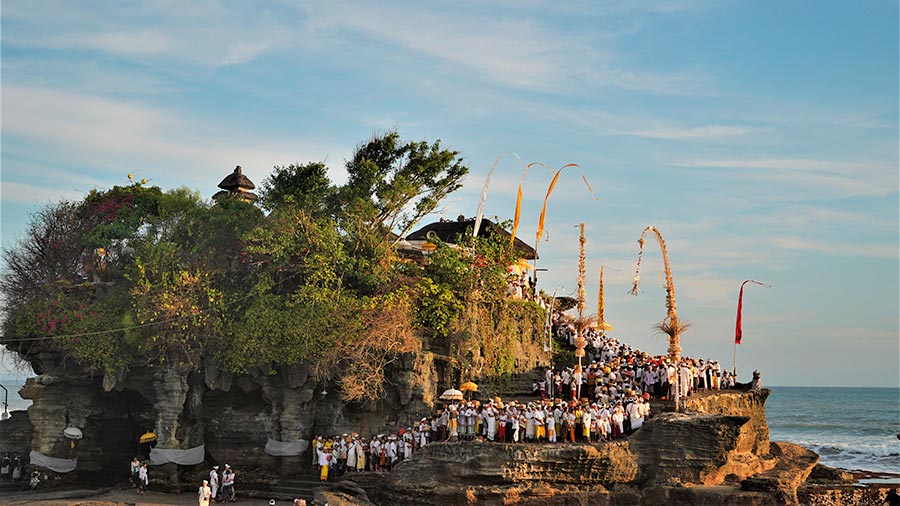
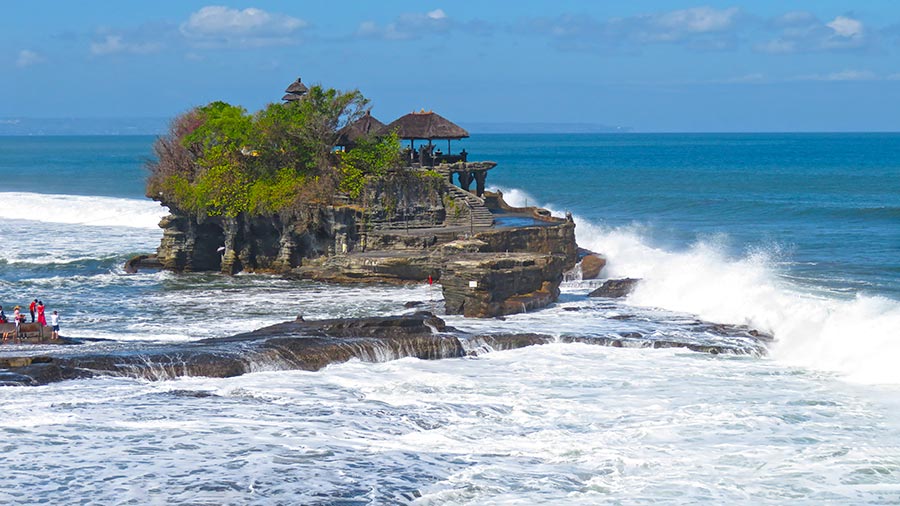
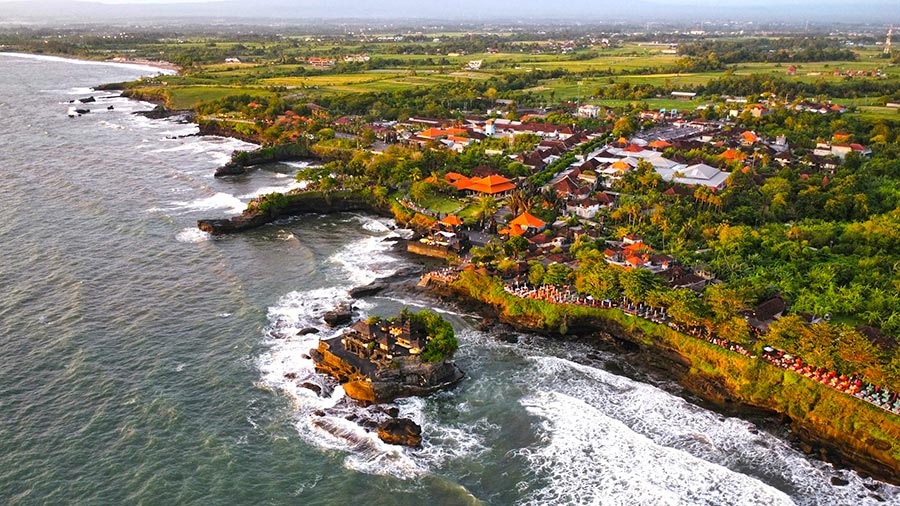
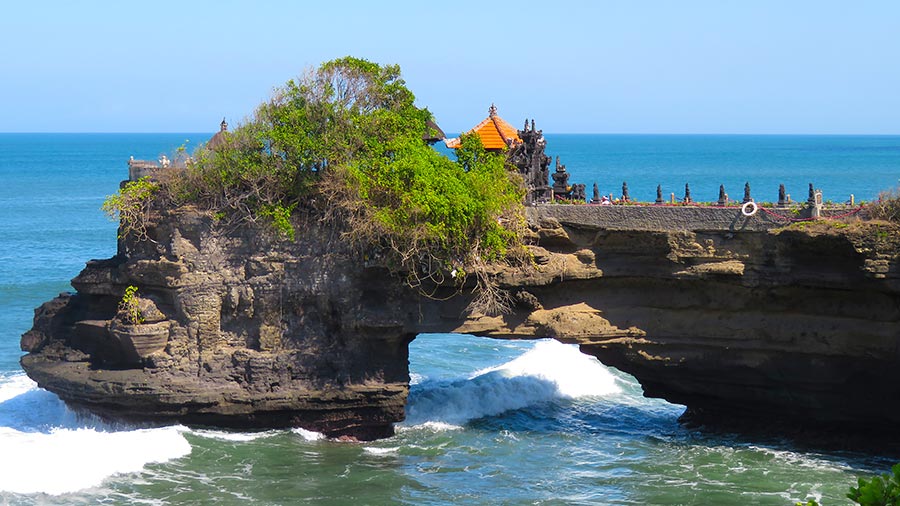
Tanah Lot is one of the most famous and photographed temples in Bali, known for its dramatic location on a rocky formation in the middle of the sea. This sanctuary, dedicated to the protective spirits of the ocean, is one of the island’s most important sea temples and a true symbol of Balinese culture. Its silhouette against the horizon has become an iconic image that attracts travelers from all over the world. To the right of the main temple stands Batu Bolong Temple, built on a cliff with a natural rock arch carved by the waves. This striking formation creates a stunning, highly photogenic scene that beautifully complements the visit to Tanah Lot.
During high tide, Tanah Lot appears to float above the water, creating a magical atmosphere where spirituality and nature blend seamlessly. When the tide recedes, visitors can approach the base of the temple and see the cave where the sacred sea snakes reside, believed to be guardians of the site according to Balinese tradition. Sunset here is one of the most impressive spectacles in Bali: the sky turns golden and orange while the waves crash against the rocks, offering a perfect moment for unforgettable photographs.
Visiting Tanah Lot with a local guide allows you to learn about the temple’s history, its spiritual meaning and the legends surrounding this marine sanctuary. You’ll also discover the best viewpoints, avoid the most crowded areas and understand the role Tanah Lot plays within the network of sea temples that spiritually protect the island.
Reaching Tanah Lot by private car is the most convenient way to enjoy the visit, especially if you plan to combine it with nearby temples or the Jatiluwih rice terraces. With a local guide, you can explore the area at your own pace, choose the ideal time to visit and enjoy a safe, authentic and fully personalized experience.
Pura Ulun Danu Bratan – The Lake Temple and Sanctuary of the Water Goddess
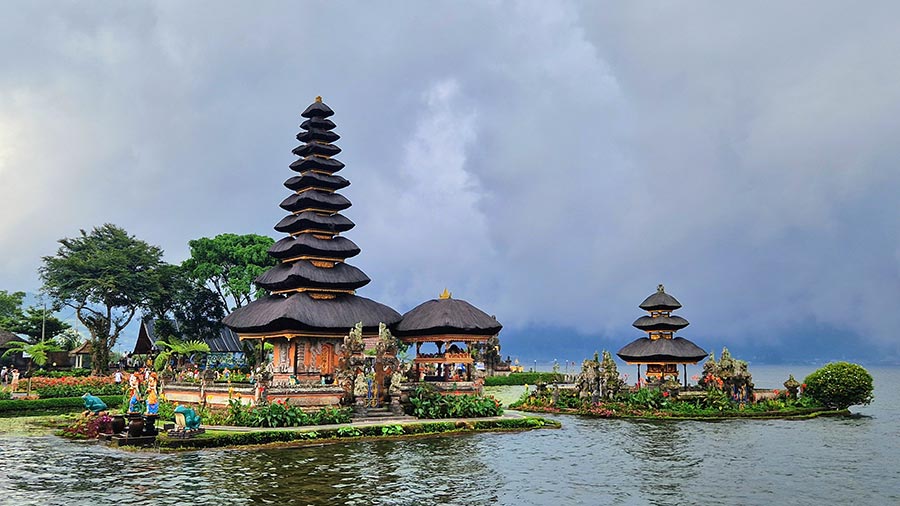
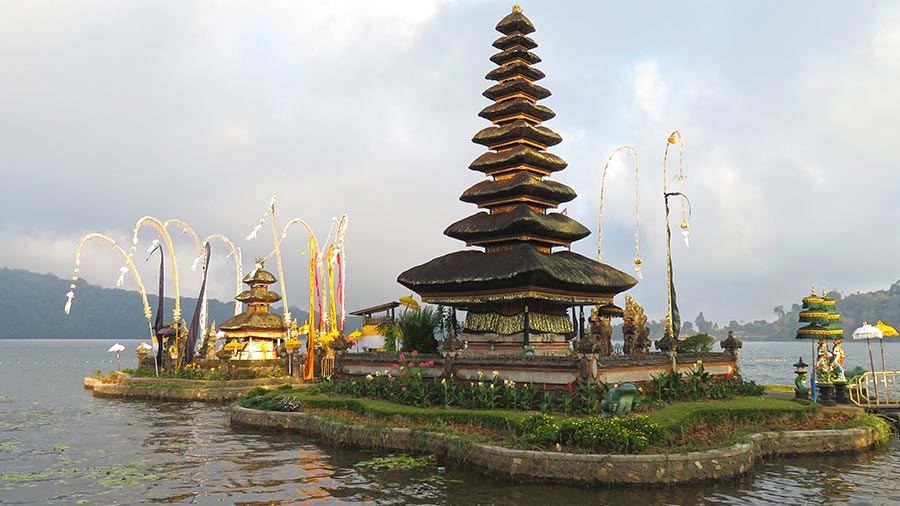
Pura Ulun Danu Bratan is one of Bali’s most iconic temples, renowned for its stunning location on the shores of Lake Bratan and for the illusion of floating on the water when the lake level rises. This sanctuary is dedicated to Dewi Danu, the goddess of water, and plays a vital role in Bali’s traditional irrigation system. Its image, framed by mountains and often wrapped in a soft morning mist, has become one of the island’s most recognizable postcards.
The temple stands out for its classic Balinese architecture, with multi‑tiered meru towers reflected in the water, creating a serene and deeply spiritual scene. The cool climate of the Bedugul highlands gives the area a unique atmosphere compared to the rest of Bali: greener, fresher and touched by an almost mystical calm. Walking through the temple gardens reveals the harmony between nature, water and spirituality that defines this sacred place.
Visiting Ulun Danu Bratan with a specialized local guide allows you to understand the temple’s importance within Bali’s agricultural system, the symbolism of its shrines and the relationship between the lake, the mountains and fertility. A knowledgeable guide can also reveal cultural and ritual details that most visitors overlook, enriching your experience in a meaningful way.
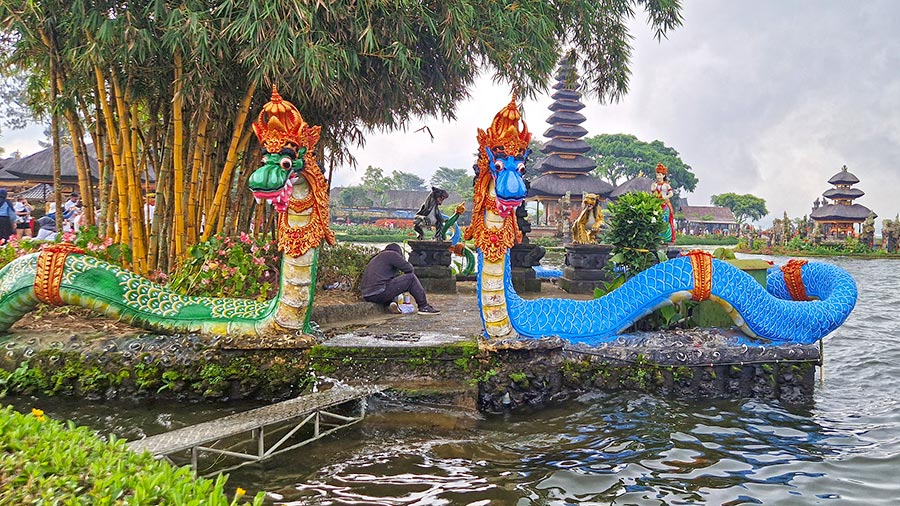
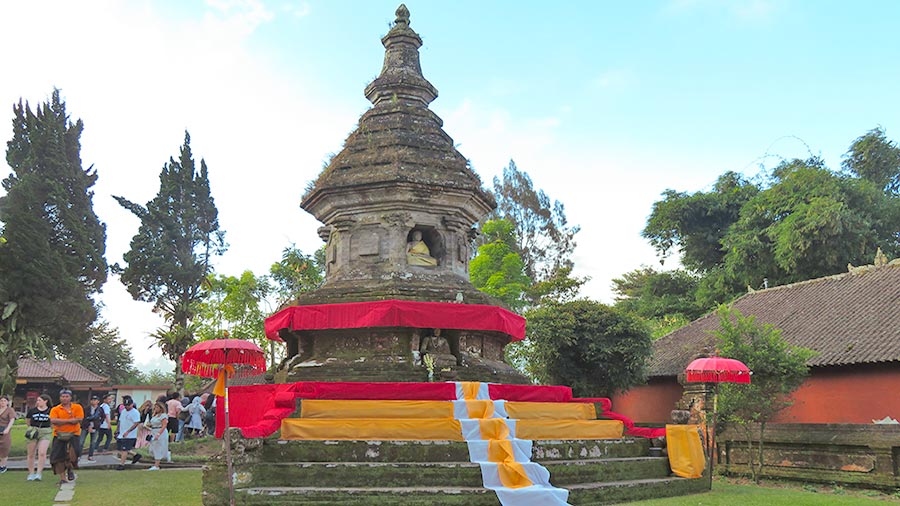
Built in the 17th century, it honors the Hindu trinity (Brahma-Vishnu-Shiva) and marks the importance of the lake as the main source of water in the region. The complex contains very nice gardens and elements such as Naga (mythological snakes) that decorate the temple grounds. Although it is primarily a Hindu sanctuary dedicated to the goddess of prosperity, Dewi Danu, the presence of a Buddhist stupa within the complex symbolizes religious harmony on the island.
Reaching Pura Ulun Danu Bratan by private vehicle is the most comfortable way to enjoy the visit, especially if you plan to combine it with nearby attractions such as the Bedugul market or the Jatiluwih rice terraces. With a local guide, you can explore the area at your own pace, choose the best photography spots and enjoy an authentic, safe and fully personalized.
Tirta Empul – The Temple of Holy Water and Spiritual Purification of Bali
Tirta Empul is one of Bali’s most sacred and visited temples, renowned for its holy purification pools fed by a natural spring that has flowed continuously for more than a thousand years. Dedicated to Indra, the god of water and purification, this temple is a place where Balinese devotees come to perform melukat, a traditional ritual of spiritual cleansing. The sound of flowing water and the scent of incense create an atmosphere of deep peace and devotion throughout the complex.
The most iconic area of the temple is the purification pool, where visitors can observe—or take part in—the traditional ritual. Each spout carries a specific meaning, and the purification process follows a precise sequence that worshippers respect with great devotion. Watching Balinese families make offerings and immerse themselves under the crystal‑clear water provides an authentic glimpse into the island’s spiritual life.
Visiting Tirta Empul with a specialized local guide allows you to understand the symbolism behind the ritual, the purpose of each water spout and the history of the sacred spring. A knowledgeable guide will also help you navigate the temple respectfully, understand dress code requirements and appreciate cultural details that significantly enrich the experience.
The temple was built around a natural spring in the 10th century and is famous for its sacred waters, used by the Balinese for purification rituals. It is one of the most sacred temples on the island and was declared a UNESCO World Heritage Site in 2012. The structure features traditional Balinese gates, known as Candi Bentar, which mark the entrance to sacred spaces. The spring water is channeled into several stone fountains where visitors perform the melukat ritual or spiritual purification. Additionally, the water fills ponds with fish decorated with traditional stone statues that shoot streams of water.
Tirta Empul can be combined with nearby places as Gunung Kawi or the Tegallalang rice terraces. With a local guide, you can explore the complex at your own pace, avoid peak visiting hours and enjoy an authentic, safe and deeply spiritual experience.
Pura Taman Ayun – The Royal Temple and Sacred Garden of Mengwi
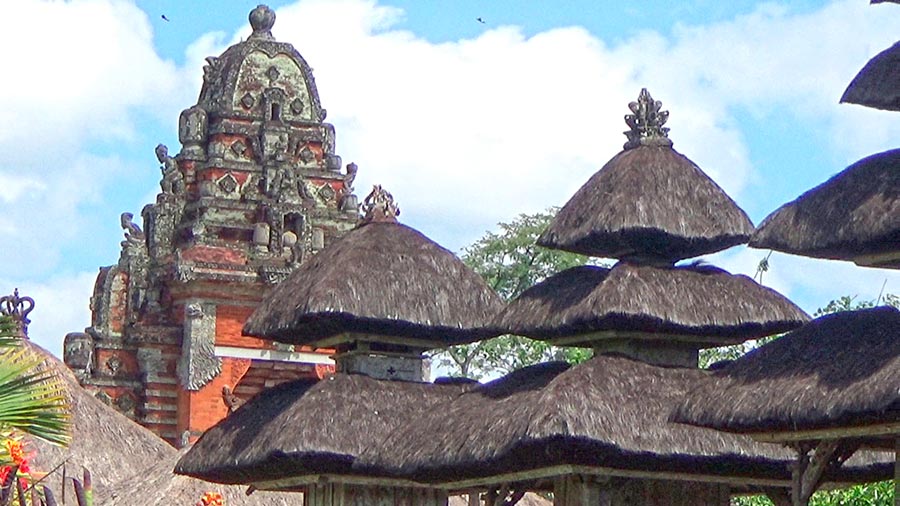
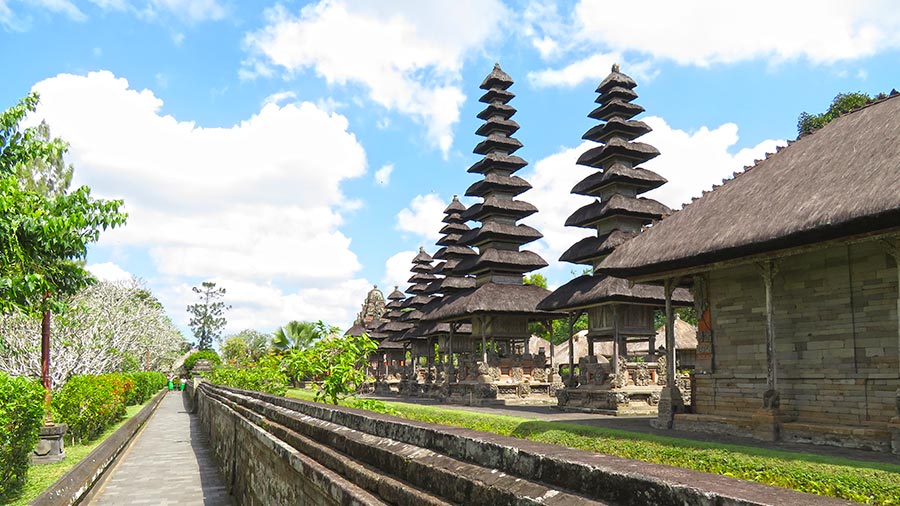
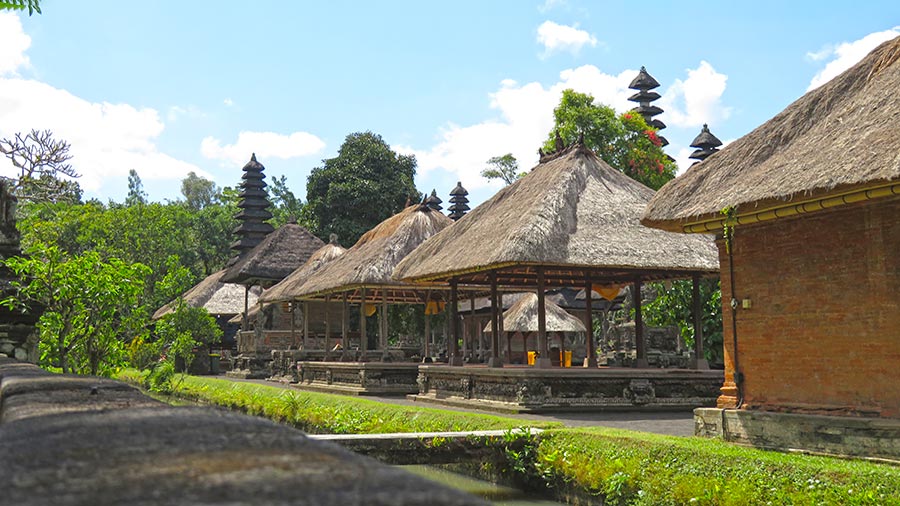
Pura Taman Ayun is one of Bali’s most elegant and harmonious temples, built in the 17th century as the royal sanctuary of the former Kingdom of Mengwi. Its name means “beautiful garden”, a perfect description of the atmosphere that surrounds it: wide ponds, manicured gardens and traditional Balinese architecture that radiates serenity. Encircled by a moat that gives it the appearance of a floating island, Taman Ayun stands out for its balance of nature, history and spirituality.
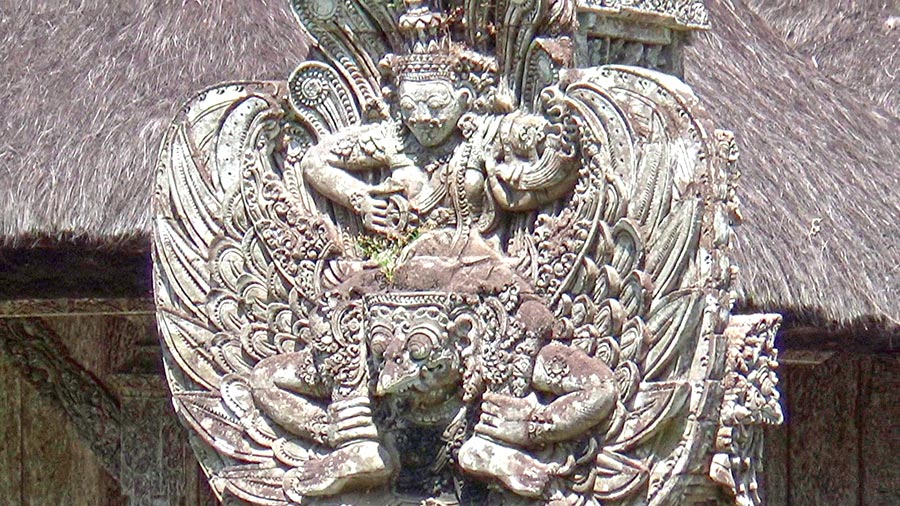
The complex is composed of several courtyards and shrines, including an impressive collection of meru towers, the multi‑tiered structures that represent deities and sacred mountains. Walking along its pathways reveals the symmetry of the layout, the beauty of its carved gates and the peaceful ambiance that fills the entire compound. Although it is less crowded than some of Bali’s more famous temples, its historical and aesthetic value makes it an essential stop on any cultural itinerary.
Exploring Taman Ayun with a specialized local guide allows you to understand the history of the Mengwi kingdom, the symbolism of the merus and the temple’s role within Bali’s religious structure. A knowledgeable guide can also point out architectural and cultural details that most visitors overlook, enriching your experience in a meaningful way. The Pura Taman Ayun temple is declared a UNESCO World Heritage Site.
Reaching Pura Taman Ayun by private transfer is the most comfortable way to visit, especially if you plan to combine it with nearby attractions such as Tanah Lot or the Jatiluwih rice terraces. With a local guide, you can explore the temple at your own pace, avoid peak visiting hours and enjoy an authentic, peaceful and fully personalized experience.
Goa Gajah – The Elephant Cave and Archaeological Sanctuary of Bali
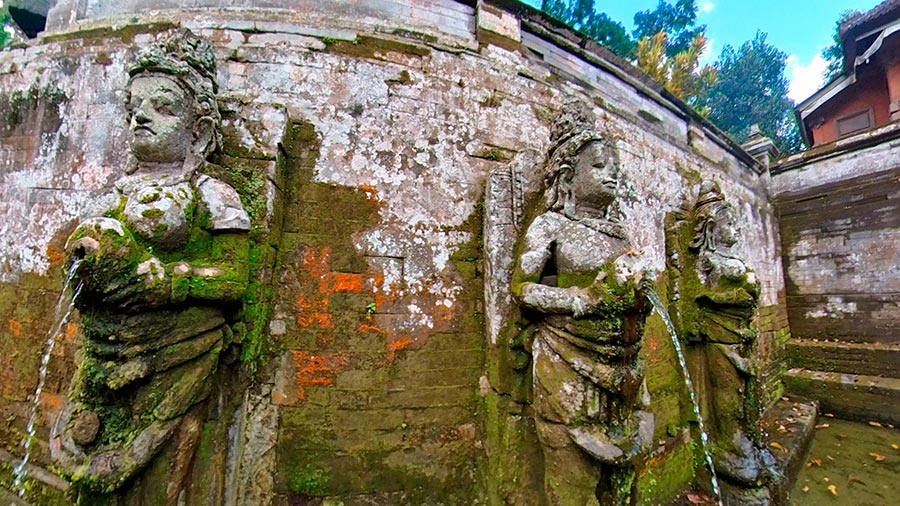
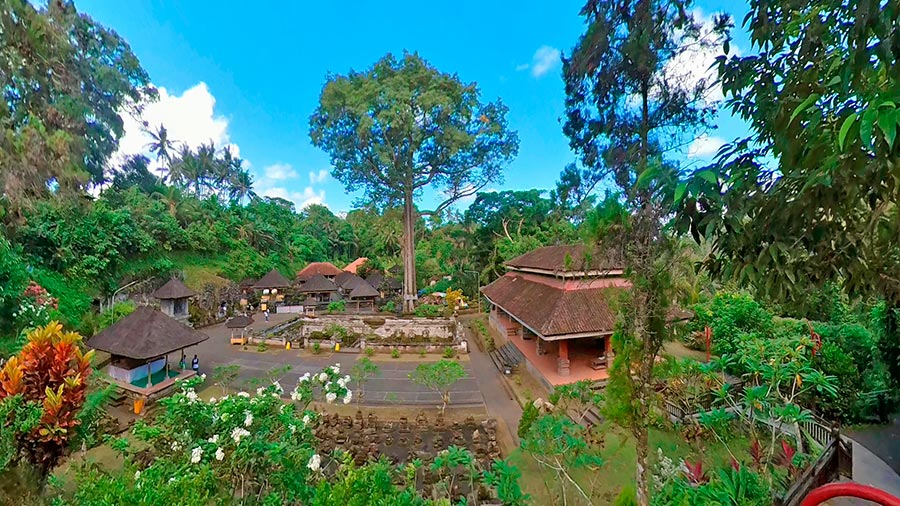
Goa Gajah, known as the “Elephant Cave”, is one of Bali’s oldest and most enigmatic temples. Built around the 11th century, it blends Hindu and Buddhist elements, making it a unique site within the island’s cultural heritage. Its stone‑carved entrance, featuring a fierce demonic face that appears to swallow those who enter, is one of the temple’s most iconic images and marks the beginning of a journey filled with symbolism and ancient history.
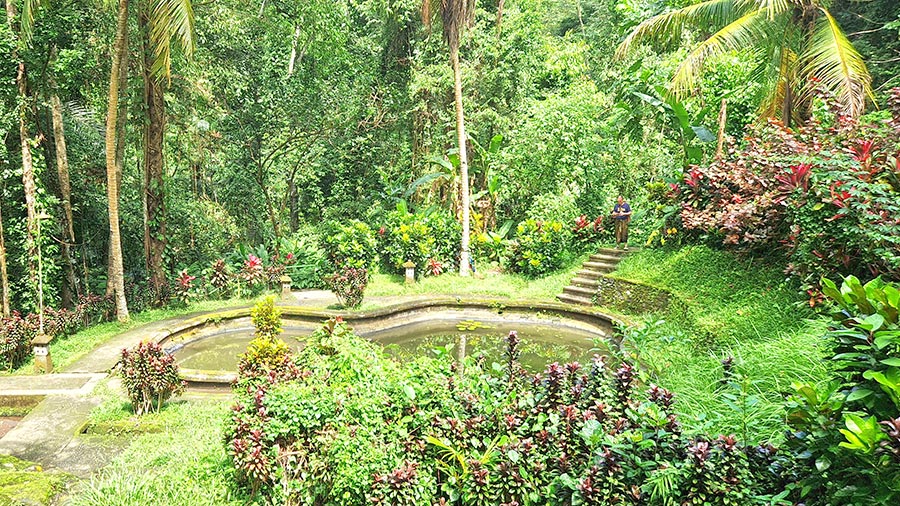
Inside the cave, you’ll find small shrines and statues dedicated to Hindu deities, while outside, the ablution pools with female figures pouring sacred water stand out as one of the site’s most significant features. The surrounding environment—lush tropical vegetation, winding pathways and scattered archaeological remains—creates a tranquil and mysterious atmosphere that invites slow exploration. It’s an ideal place for travelers seeking a more historical and less tourist‑oriented experience.
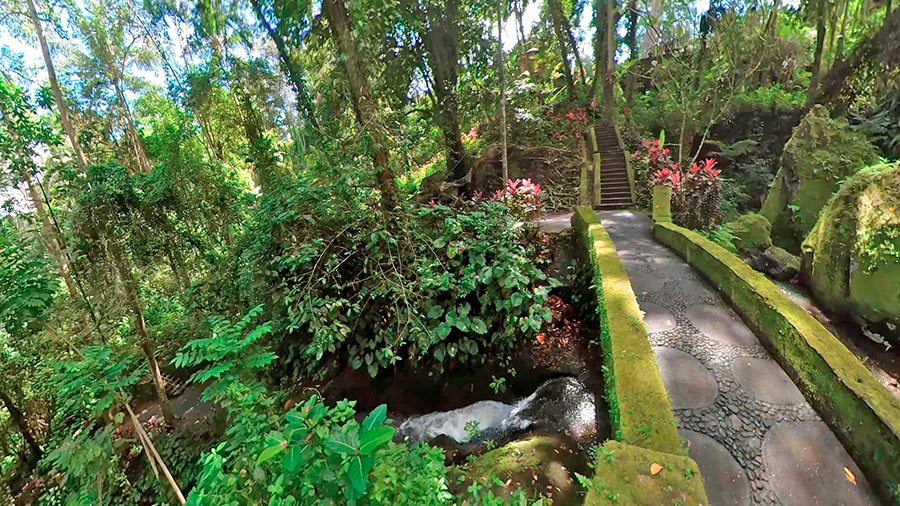
Exploring Goa Gajah with a specialized local guide allows you to understand the blend of religious influences, the meaning behind the carvings and the temple’s original function as a meditation site. A knowledgeable guide can also reveal lesser‑known corners of the complex, such as the paths leading to small streams and ancient structures hidden among the greenery.
Reaching Goa Gajah by driver‑assisted vehicle is the most convenient way to visit, especially if you plan to combine it with nearby sites such as Tirta Empul or Gunung Kawi. With a local guide, you can explore the site at your own pace, avoid peak visiting hours and enjoy an authentic, peaceful experience filled with history and cultural depth.
Gunung Kawi – The Sacred Valley of the Kings and Rock‑Carved Temples
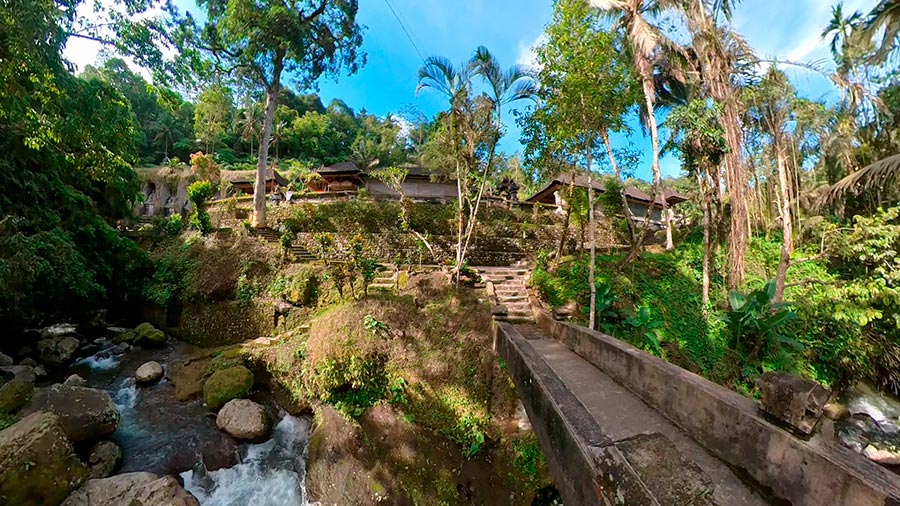
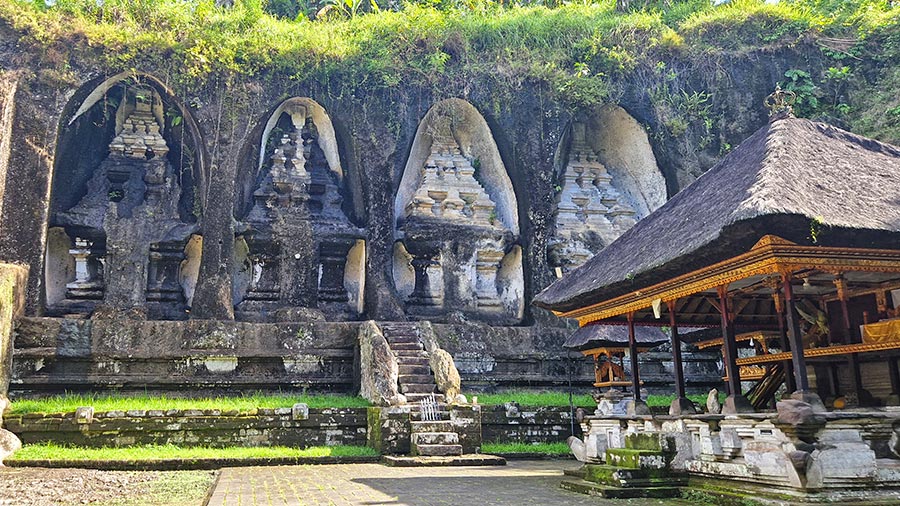
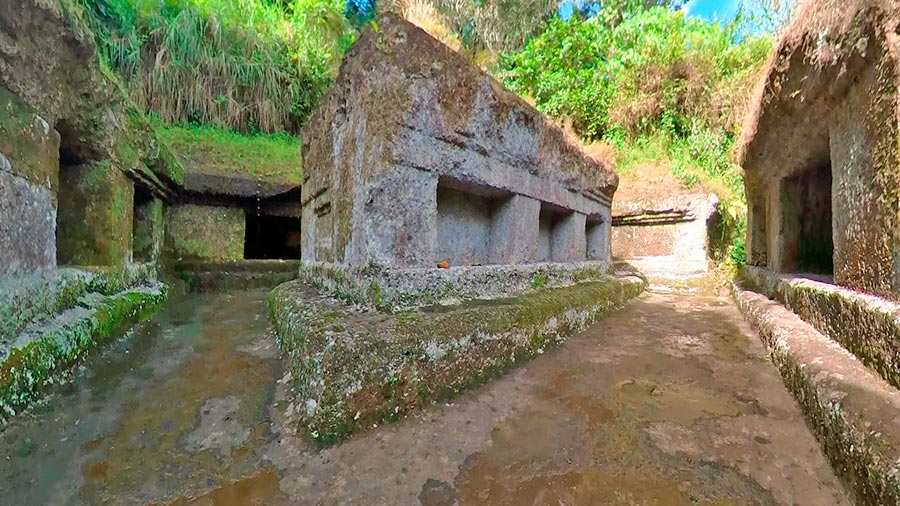
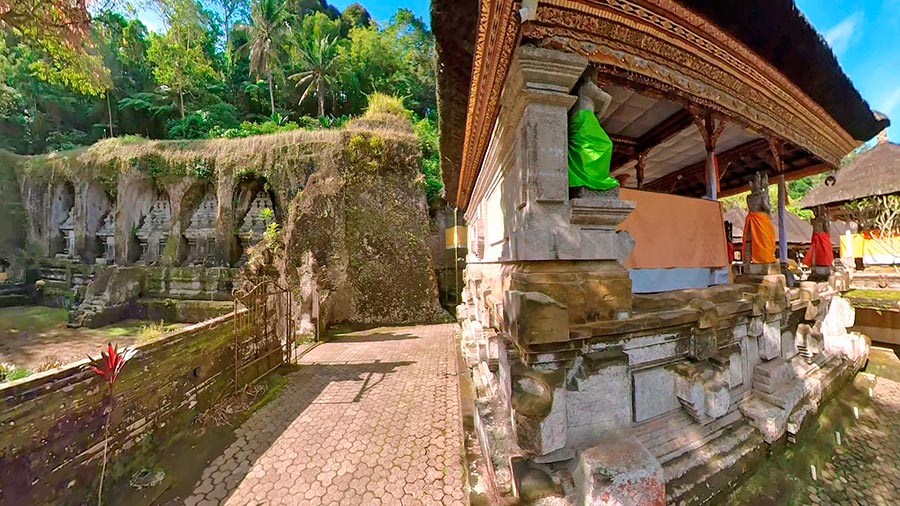
Gunung Kawi is one of Bali’s most remarkable and ancient temples, famous for its monumental rock‑carved shrines. Located in a sacred valley near Tampaksiring, this 11th‑century complex features ten impressive candi —funerary monuments— believed to be dedicated to the royal family of the Udayana dynasty. Surrounded by terraced rice fields and crossed by a holy river, the setting creates an almost mystical atmosphere.
To reach the heart of the temple, visitors descend a long stairway surrounded by tropical vegetation. As you walk deeper into the valley, the sound of flowing water and the grandeur of the shrines carved into the cliffs create a unique blend of archaeology, spirituality and nature. It’s an ideal destination for travelers seeking a less touristy site with a strong connection to Bali’s ancient history.
Exploring Gunung Kawi with a specialized local guide helps you understand the symbolism of the candi, the story of Bali’s early royalty and the spiritual significance of the valley. You’ll also discover hidden corners such as secondary shrines, natural viewpoints and areas where traditional rituals are still performed.
The Gunung Kawi temple is declared by UNESCO as a World Heritage Site and is located on both banks of the Pakerisan River, surrounded by lush vegetation, rice fields, and waterfalls.
Reaching Gunung Kawi through private transportation is the most comfortable way to visit, especially if you plan to combine it with Tirta Empul or the Tegallalang rice terraces. With a knowledgeable guide from the area, you can explore the valley at your own pace, avoid peak visiting hours and enjoy an authentic, peaceful and deeply cultural experience.
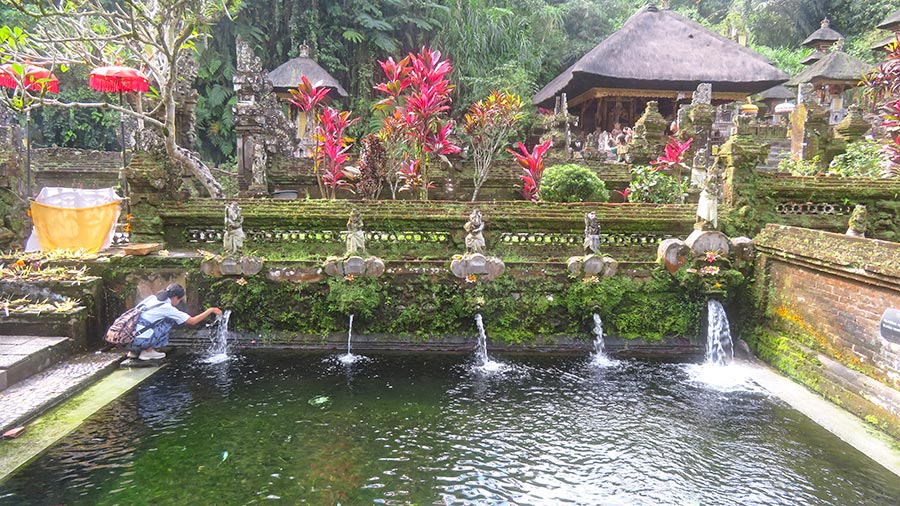
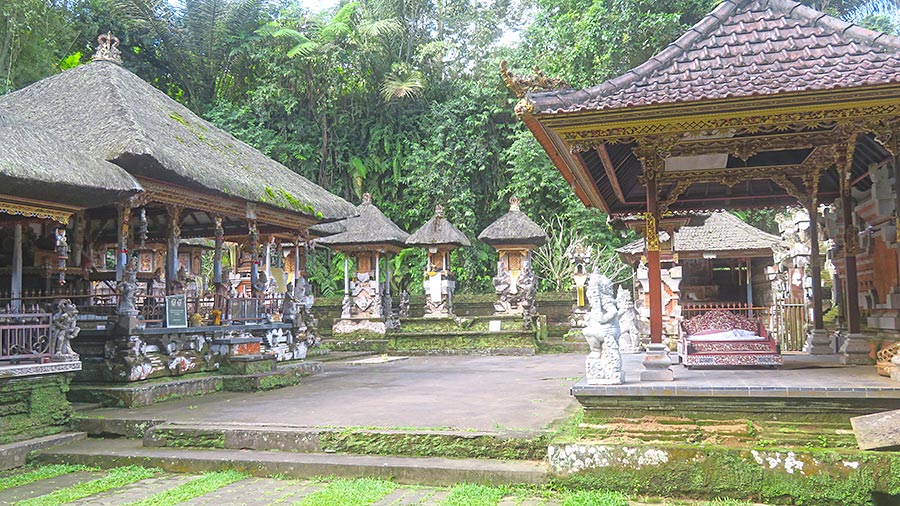
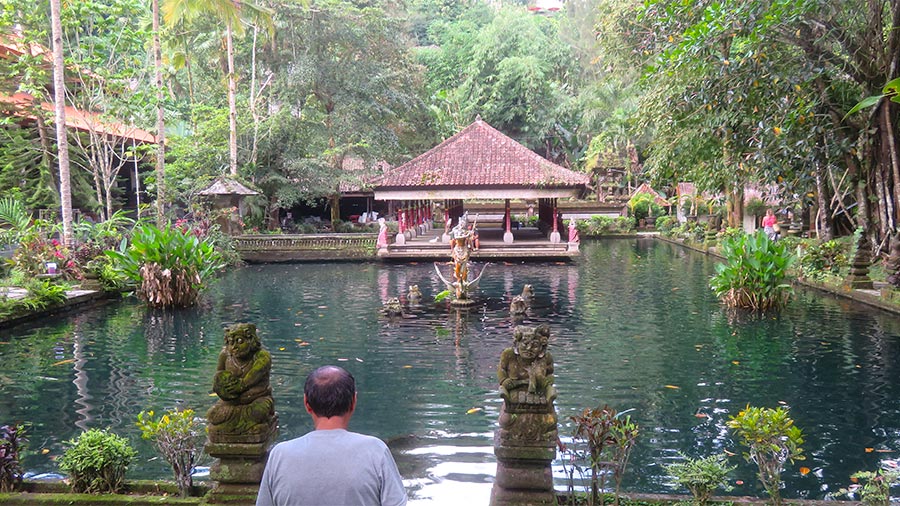
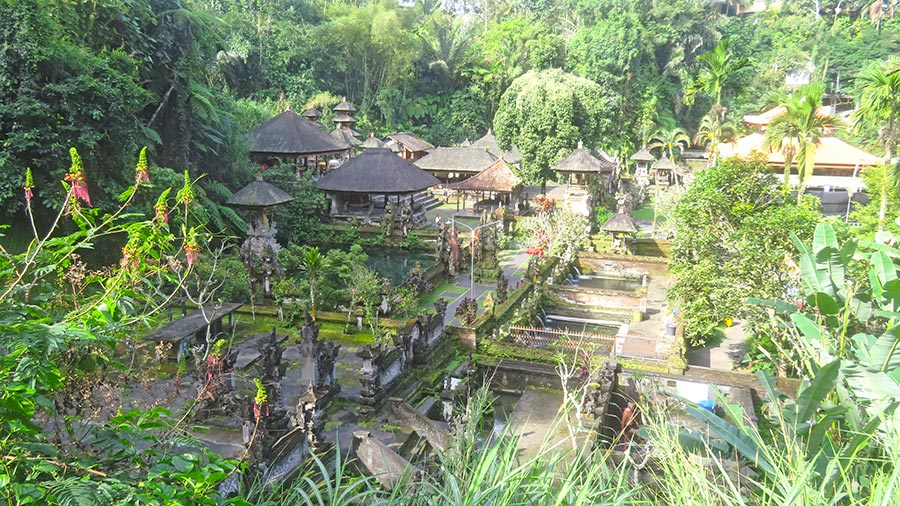
Gunung Kawi Sebatu – The Water Temple and Sacred Garden of Sebatu
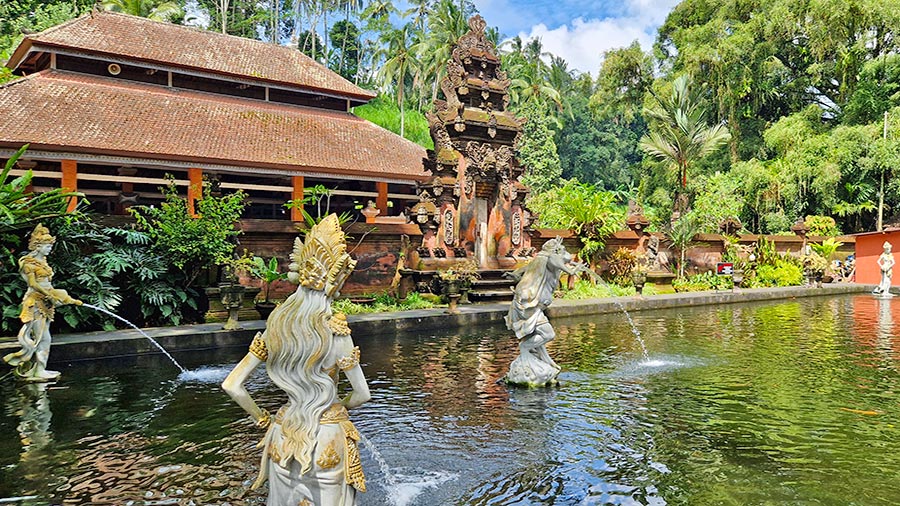
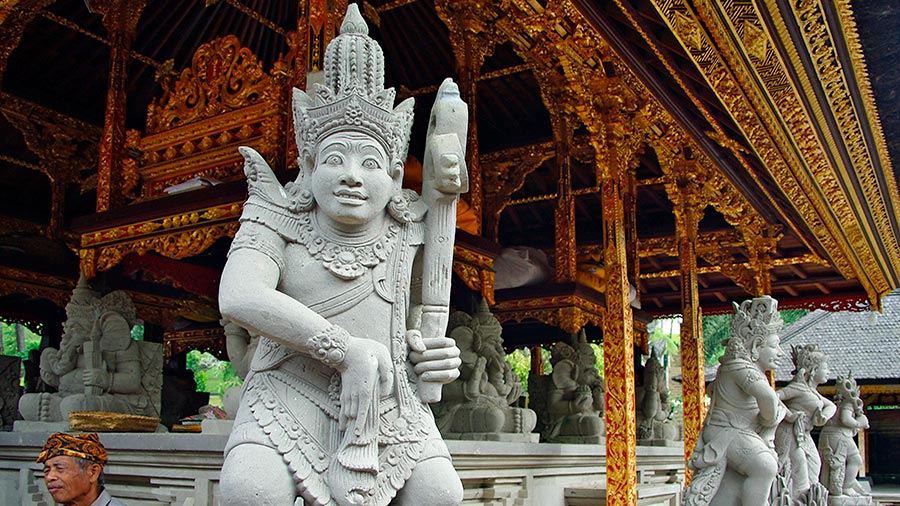
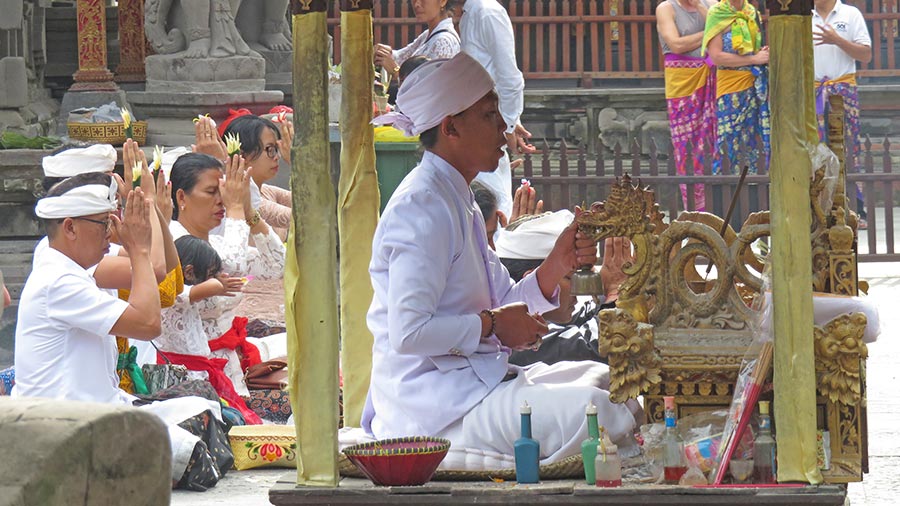
Gunung Kawi Sebatu is one of Bali’s most peaceful and beautiful temples, known for its serene atmosphere and its crystal‑clear sacred ponds. Unlike the nearby Gunung Kawi in Tampaksiring, this sanctuary stands out for its delicate design and lush natural surroundings. Surrounded by tropical vegetation, ponds filled with koi fish and small shrines dedicated to water deities, it’s an ideal place for travelers seeking tranquility and spirituality.
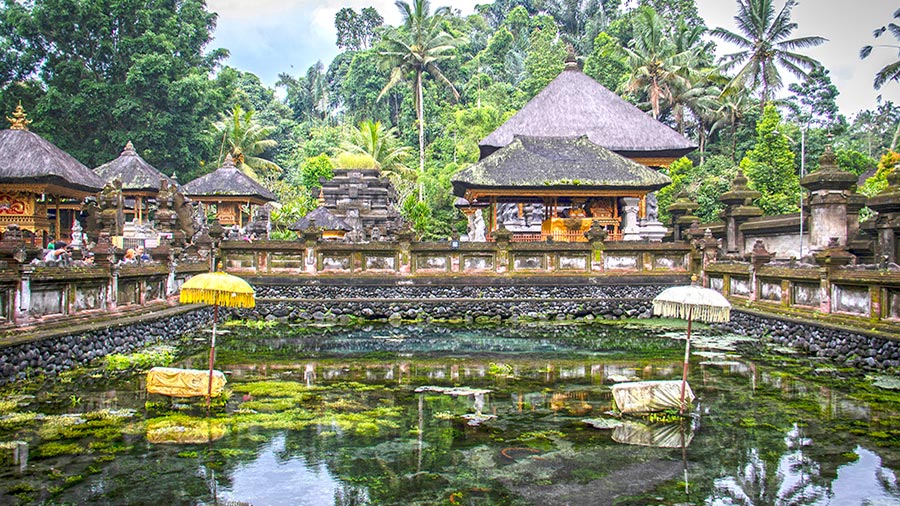
The complex is built around a large natural spring, whose waters feed the temple’s ponds and purification pools. The constant presence of water, combined with the sound of fountains and the beauty of the gardens, creates a deeply relaxing atmosphere. It’s a less‑visited temple compared to others, allowing you to enjoy it at a slower pace and connect with its spiritual essence.
Exploring Gunung Kawi Sebatu with a specialized local guide helps you understand the symbolism of water in Balinese tradition, the purpose of the sacred ponds and the history of the temple. You’ll also discover hidden corners such as small secluded shrines, meditation areas and architectural details that most visitors overlook.
Pura Gunung Kawi Sebatu, located in the Sebatu area, near Ubud, on the island of Bali, Indonesia. It is known for being a "water temple" that houses sacred springs and ponds. Unlike other more crowded temples, this complex is known for being one of the most beautiful and serene on the island.
Reaching Gunung Kawi Sebatu with a driver‑assisted vehicle is the most comfortable way to visit, especially if you plan to combine it with Tirta Empul or the Tegallalang rice terraces. With a knowledgeable guide from the area, you can explore the temple at your own pace, avoid peak hours and enjoy an authentic, peaceful and deeply spiritual experience.
Pura Kehen – The Great Temple of Fire and Ancestral Sanctuary of Bangli
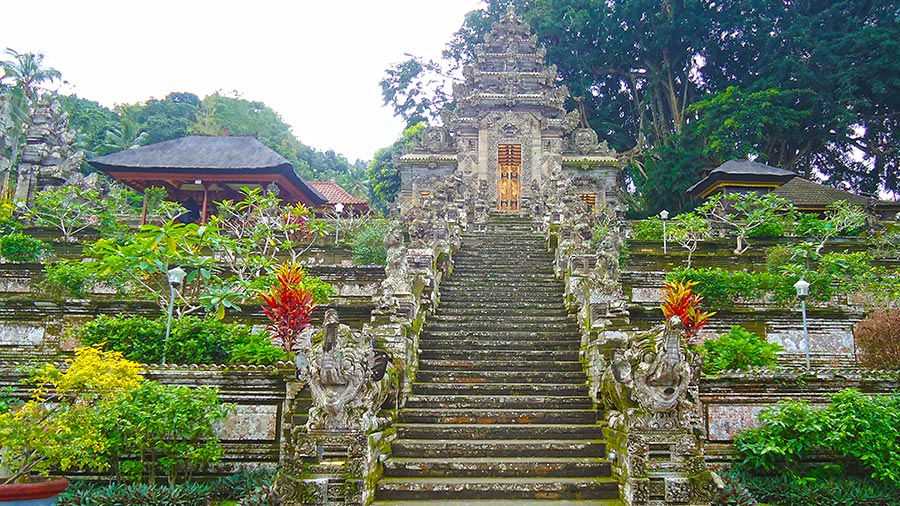
Pura Kehen is one of Bali’s most impressive and best‑preserved temples, known for its solemn atmosphere and its striking ceremonial staircase flanked by guardian statues. Located in Bangli, this 13th‑century temple is dedicated to the god of fire, giving it a central role in purification and protection rituals within Balinese tradition. Its hillside setting, monumental architecture and peaceful surroundings make it a historical gem far from the usual tourist routes.
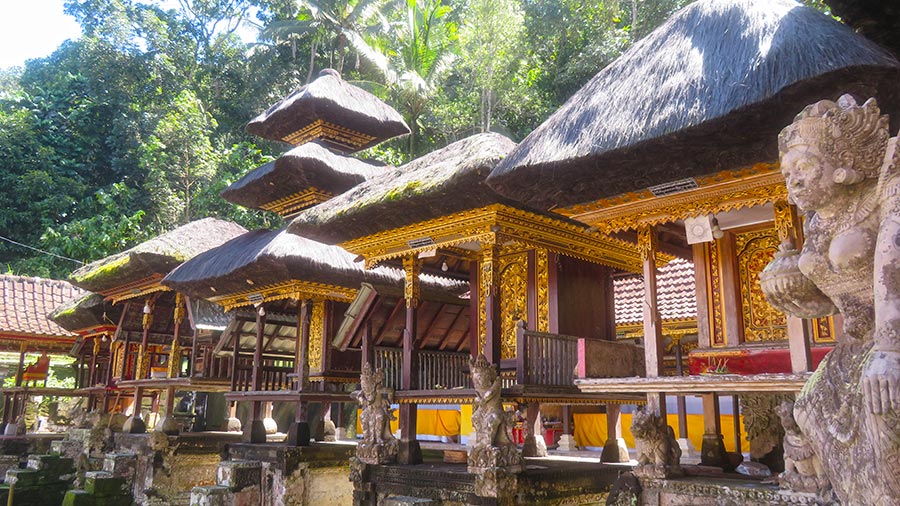
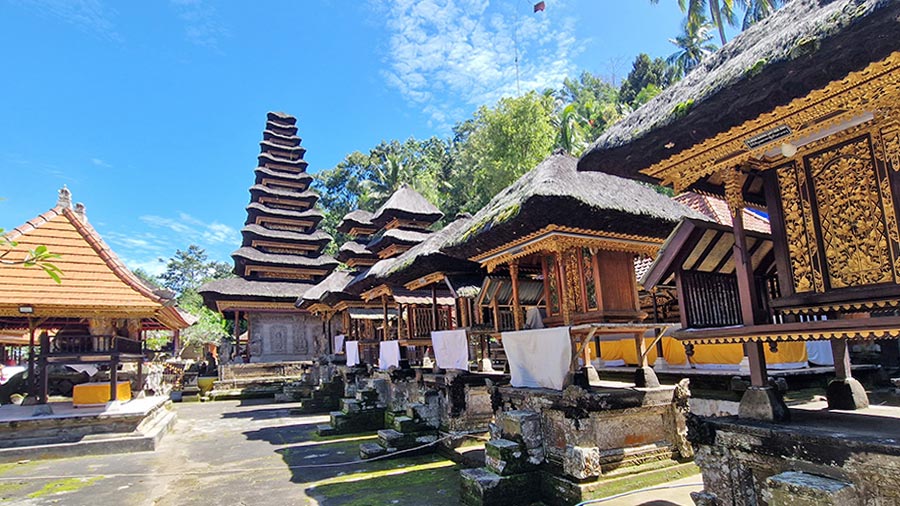
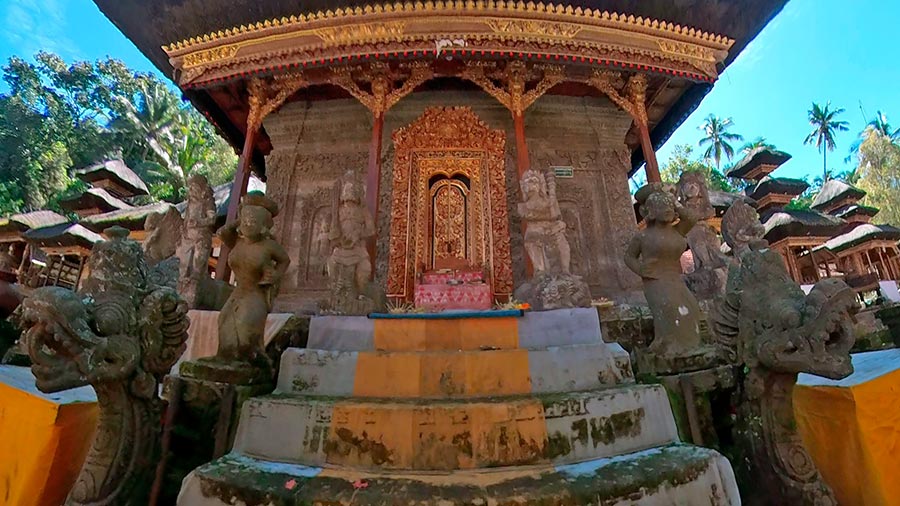
Upon entering the complex, the massive sacred banyan tree immediately stands out, towering over the main courtyard and symbolizing the connection between the earthly and spiritual worlds. The temple is divided into several levels adorned with meru towers, carved gateways and shrines dedicated to various deities. The blend of ancient stone, moss, forest and silence creates a deeply spiritual and visually captivating atmosphere.
Exploring Pura Kehen with a specialized local guide helps you understand the symbolism of fire in Balinese religion, the history of the ancient Bangli kingdom and the purpose of each courtyard and sanctuary. A knowledgeable guide will also point out unique architectural details such as ancient inscriptions, guardian sculptures and ritual elements that most visitors overlook.
Pura Kehen temple it is considered the second most important temple in Bali after the Mother Temple of Besakih. Founded around the 11th century, it served as the main temple of the ancient Kingdom of Bangli. Its name comes from the Balinese word keren, which means "flame," so it is also known as the Temple of Fire. It stands out for its multi-tiered shrines with thatched roofs (called meru) and its intricate stone carvings. The design is organized in terraces that rise up a hill.
Reaching Pura Kehen with a driver-assisted vehicle is the most convenient way to visit, especially if you plan to combine it with nearby sites such as Tirta Sudamala or Penglipuran Village. With a guide from the area, you can explore the temple at your own pace, avoid peak hours and enjoy an authentic, peaceful and culturally rich experience.
Pura Ulun Danu Batur – The Temple of Lake Batur and Sanctuary of Water and Volcanoes
Pura Ulun Danu Batur is one of Bali’s most important temples, dedicated to Dewi Danu, the goddess of water and protector of lakes, rivers and irrigation systems. Located in the volcanic region of Kintamani, this sanctuary sits near Lake Batur and the imposing Mount Batur, giving it a powerful symbolism tied to fertility, agriculture and the natural balance of the island. Although less famous than Ulun Danu Bratan, it remains a cornerstone of Balinese spirituality.
The complex features several courtyards and shrines, including the impressive eleven‑tiered meru, one of the tallest in Bali, dedicated to the goddess of the lake. Traditional architecture, carved gateways and views of the volcanic caldera create a solemn and striking atmosphere. It’s an ideal temple for travelers seeking authenticity, history and a quieter experience away from the crowds.
Exploring Pura Ulun Danu Batur with a specialized local guide helps you understand the importance of water in Balinese culture, the role of the lake in the subak irrigation system and the spiritual relationship between the volcanoes and daily life. A knowledgeable guide will also help you identify the different shrines within the complex and interpret the ceremonies that often take place here.
The current complex was rebuilt in its current location in the hills to protect it from future lava flows following the eruption of Mount Batur in 1926 and houses 9 different temples and a total of 285 shrines. It plays a crucial role in the island's subak irrigation system, which is why it is a UNESCO World Heritage Site.
Reaching Pura Ulun Danu Batur with a driver‑assisted vehicle is the most convenient way to visit, especially if you plan to combine it with the Mount Batur viewpoint or the Toya Devasya hot springs. With a guide from the area, you can explore the temple at your own pace, avoid peak hours and enjoy an authentic, peaceful and deeply spiritual experience.
Pura Tirta Sudamala – The Sacred Purification Springs of Bangli
Pura Tirta Sudamala is one of Bali’s most authentic and peaceful purification sites, known for its crystal‑clear holy springs and its serene natural surroundings. Located near Bangli, this temple is dedicated to the cleansing power of water and is considered a place where both locals and visitors come to seek spiritual purification and inner balance. Far from the crowds of more famous sites, it offers a deeply intimate and genuine experience.
The heart of the temple is the purification pool, fed by a powerful natural spring that flows through a series of stone spouts. Each spout is believed to cleanse different aspects of the mind and spirit, and the sound of the running water combined with the lush greenery creates a calming and meditative atmosphere. The river that runs alongside the temple adds to the sense of purity and connection with nature.
Exploring Tirta Sudamala with a specialized local guide helps you understand the meaning of each purification step, the symbolism of the water sources and the traditional rituals performed by Balinese devotees. A knowledgeable guide will also ensure you follow the proper etiquette, explain the significance of the offerings and help you navigate the sacred areas respectfully.
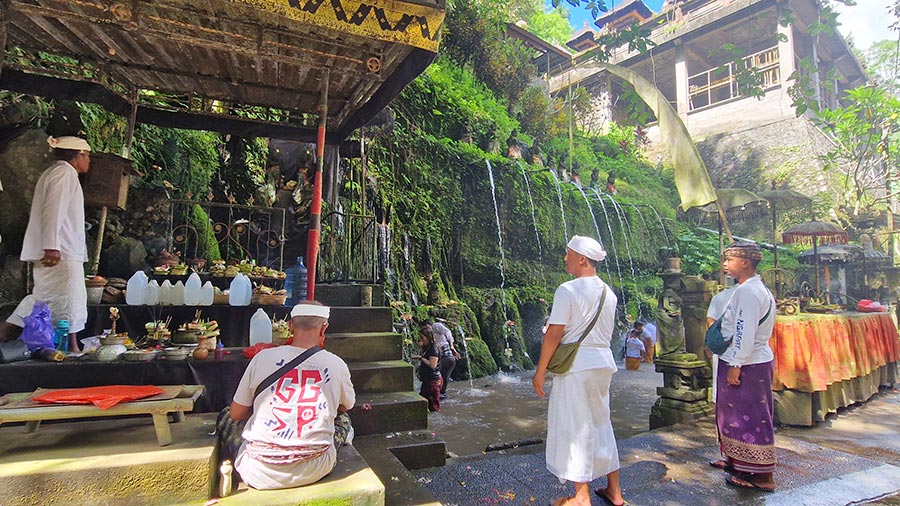
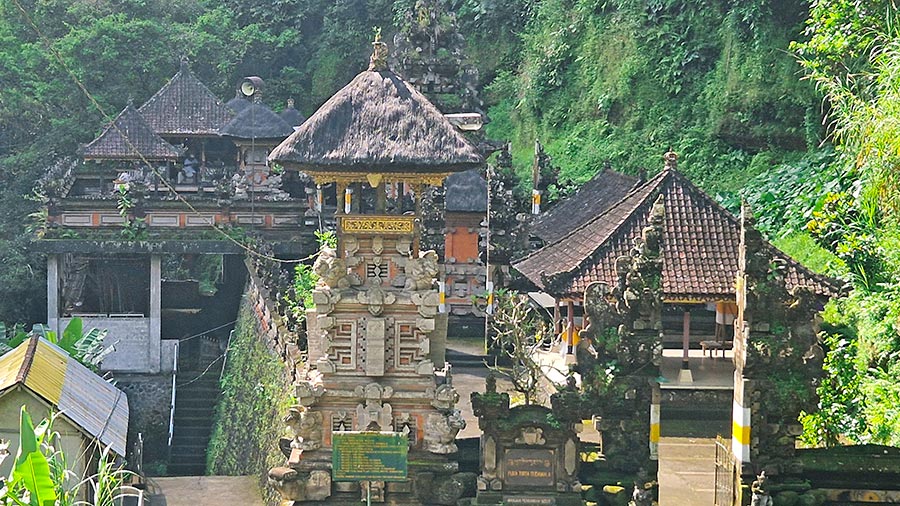
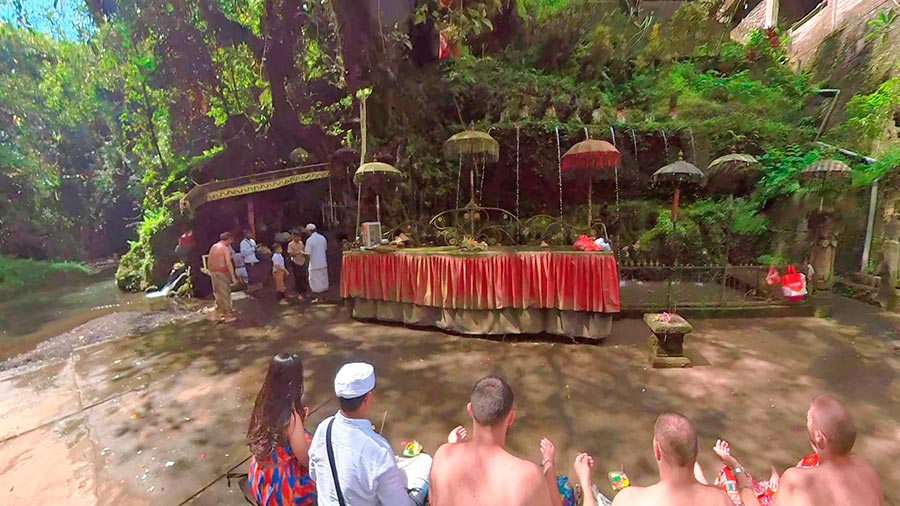
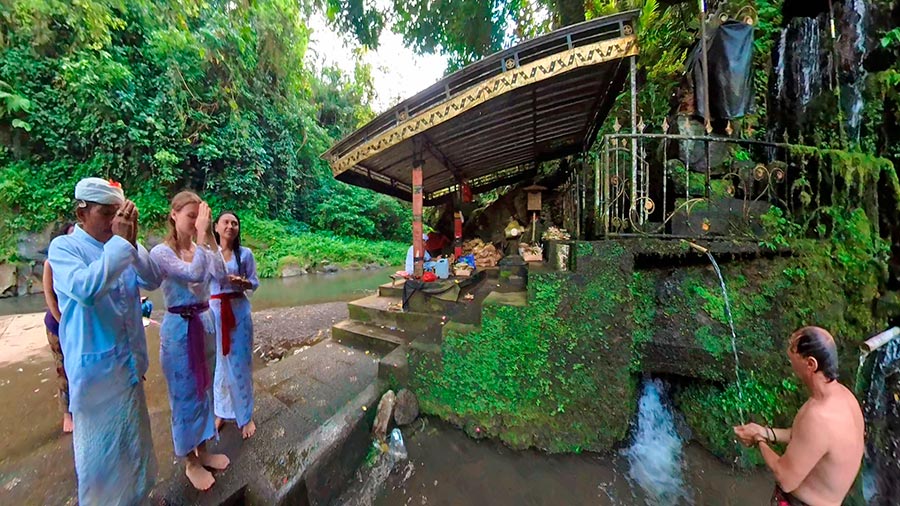
The Pura Tirta Sudamala Temple is a center for purification rituals (melukat) dedicated to the Hindu god Vishnu, where devotees bathe in the sacred waters to cleanse the body and mind. It is surrounded by dense vegetation and trees, near the center of the village of Bangli, which gives it a serene and spiritual atmosphere. It features traditional Balinese structures, including small shrines and stairs that descend to the water areas.
Reaching Tirta Sudamala with a driver-assisted vehicle is the most comfortable way to visit, especially if you plan to combine it with nearby temples such as Kehen or the village of Penglipuran. With a guide from the area, you can take your time, avoid peak hours and enjoy a purification experience that feels authentic, peaceful and deeply spiritual.
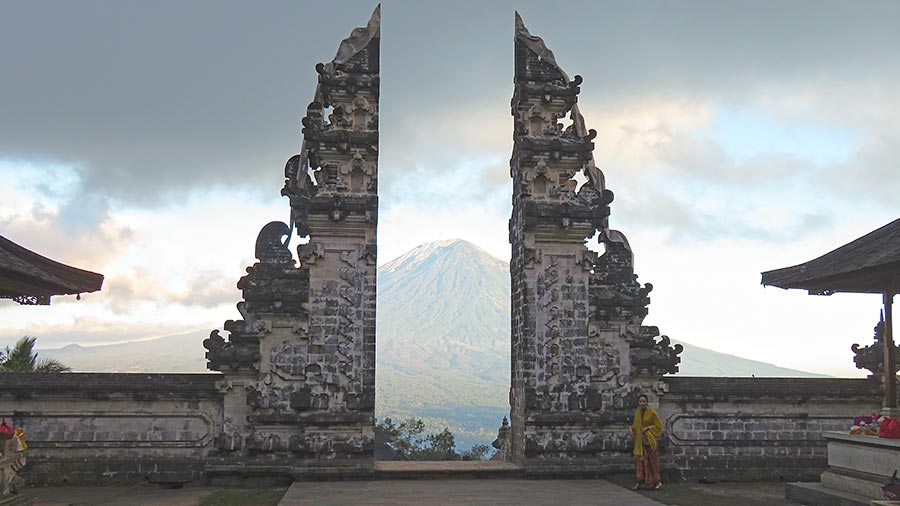
Pura Lempuyang – The Sacred Mountain Temple and the Seven Gates to the Divine
Pura Lempuyang is one of Bali’s oldest and most revered temples, located on the slopes of Mount Lempuyang, a sacred mountain deeply rooted in the island’s spiritual cosmology. Although it is world‑famous for the iconic “Gates of Heaven”, this site is actually a vast complex made up of seven temples spread along a mountain trail. Each temple represents a different spiritual level, offering an experience far richer than the famous photograph suggests.
The most visited temple is Pura Penataran Agung Lempuyang, home to the iconic gate framing the view of Mount Agung. Its dragon‑lined staircases, white stone shrines and dramatic architecture create a solemn and photogenic atmosphere. However, those who continue the ascent discover quieter temples such as Pura Telaga Mas, Pura Lempuyang Madya and the remote Pura Lempuyang Luhur, located at the summit and considered one of the most sacred places in Bali.
Exploring Lempuyang with a specialized local guide helps you understand the spiritual meaning of each temple, the symbolism of the mountain and the importance of this sanctuary within Bali’s directional temple system. A knowledgeable guide will also help you move respectfully through sacred areas, avoid the most crowded spots and uncover authentic corners that most visitors never see.
Reaching Lempuyang with a driver‑assisted vehicle is the most convenient way to visit, especially given its remote location in East Bali. With a guide from the area, you can explore the complex at your own pace, decide whether to visit only the Gates of Heaven or continue through all seven temples, and enjoy an authentic, spiritual experience deeply connected to nature.
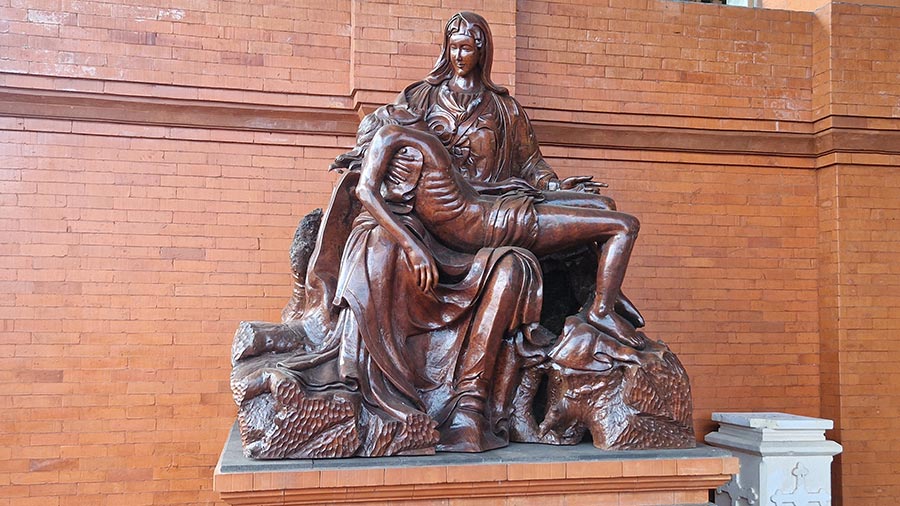
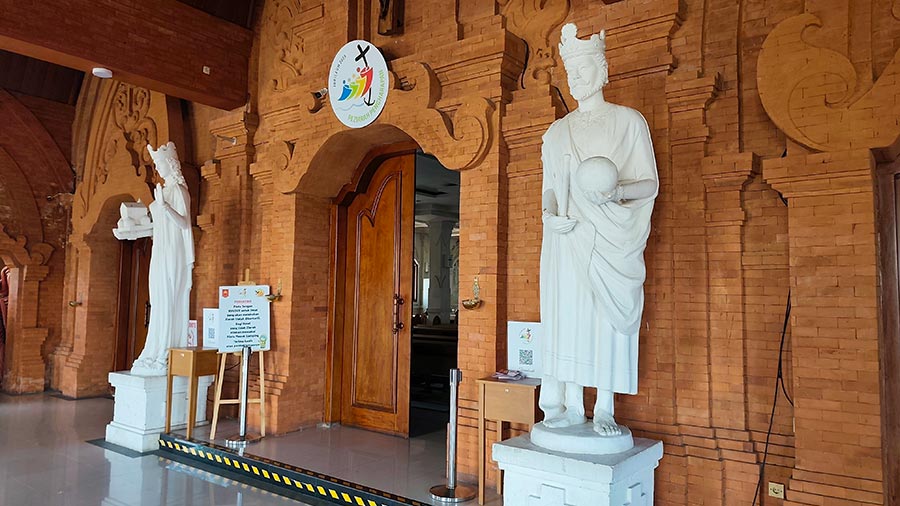
Holy Spirit Cathedral Denpasar – Bali’s Catholic Cathedral and a Unique Blend of Cultures
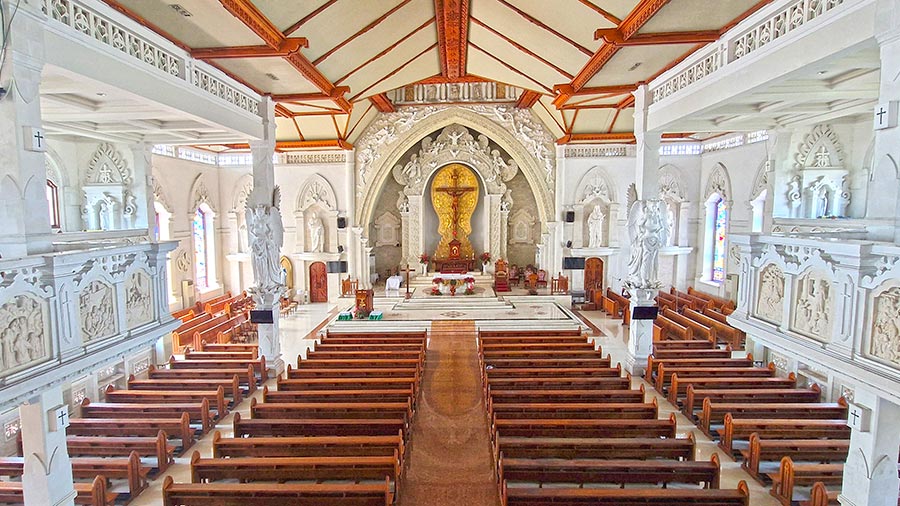
The Holy Spirit Cathedral in Denpasar is the main Catholic church in Bali and a fascinating example of how Christian spirituality integrates into an island predominantly shaped by Hindu tradition. Located in the heart of Denpasar, the cathedral stands out for its modern architecture infused with Balinese elements, creating a space where local culture and Western liturgy coexist harmoniously. It is a cultural and religious landmark that reflects the island’s spiritual diversity.
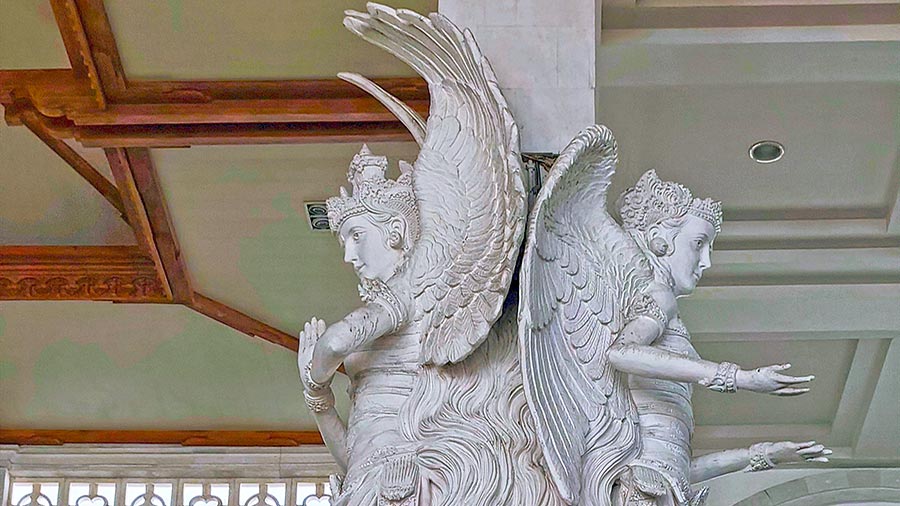
The interior is bright, spacious and serene, featuring colorful stained‑glass windows, wooden details and decorative elements inspired by Balinese design. The combination of Christian symbols with local architectural forms creates a unique atmosphere unlike any other temple in Bali. During major celebrations such as Christmas and Easter, the cathedral fills with worshippers and choral music, offering a deeply moving spiritual experience.
Visiting the Holy Spirit Cathedral with a specialized local guide helps you understand the history of Christianity in Bali, the coexistence of different religions and the meaning behind the architectural elements that blend both traditions. A knowledgeable guide can also explain how the Balinese Catholic community maintains its identity within the island’s cultural context.
Reaching the cathedral with a driver‑assisted vehicle is the most convenient way to visit, especially if you plan to combine it with other points of interest in Denpasar, such as the Bali Museum or the traditional Badung Market. With a guide from the area, you can explore the cathedral calmly, learn about its history and enjoy a cultural experience that is different, peaceful and deeply enriching.
The best way to visit the temples of Bali is to hire a professional local guide who can turn every visit into a unique and meaningful experience. If you want to discover Balinese culture in an authentic, comfortable way and at your own pace, I will be happy to accompany you on a private tour through the most impressive sacred sites on the island.